
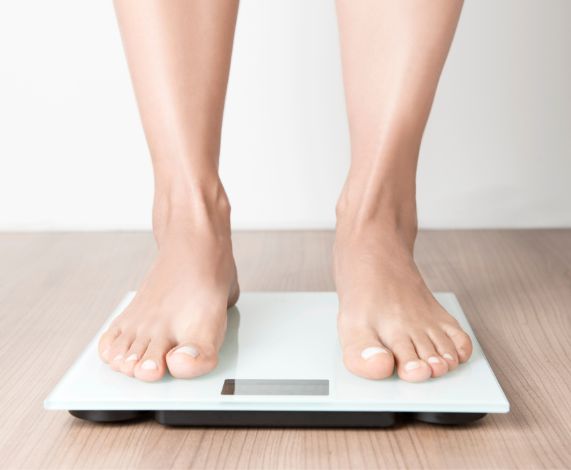
Body weight is a factor that can influence female fertility. An excess of body fat can disrupt the functioning of the reproductive system and make both natural conception and the success of assisted reproduction treatments more difficult. In fact, an overweight woman may have up to three times more difficulty achieving pregnancy.
Extremely low weight can also cause fertility issues, however since overweight cases are more commonly seen in consultations, that is what we will focus on.
What relationship exists between weight and fertility?
When taking about spontaneous (natural) pregnancies, we must keep in mind that the adipose tissues associated with being overweight acts like an endocrine organ. It produces estrogens and other substances that directly affect the hormonal system. When there is an excess of body fat, this production becomes unbalanced and can interfere with the menstrual cycle, ovulation and quality of the endometrium.
In certain clinics, a BMI (Body Massive Index) over 25 is classed as overweight, whilst a BMI over 30 is labelled as obese. In both cases, it is common to experience:
- Irregular or anovulatory cycles.
- Increased insulin resistance, which is associated to unfavorable hormonal environment for ovulation.
- Alterations in the receptiveness of the endometrium, making embryo implantation more difficult.
- Increase in risks of complications during the pregnancy (hypertension, gestational diabetes premature birth).
Furthermore, in overweight women, the success rates in fertility treatments such as In Vitro Fertilization (IVF), can be slightly lower, especially if there is a reduced ovarian response or even technical difficulty during egg retrieval.
What recommendations do we give to overweight women who want to start a fertility treatment?
In the clinic, every case is evaluated individually, taking into account age, the ovarian reserve, medical history and other factors. However, some common recommendations which we give to overweight women who want to start treatment include:
- Moderate weight loss before starting treatment
Reducing your body fat by 5-10% can significantly improve ovarian function, help regulate menstrual cycles and increase the probability of pregnancy. What we aren't looking for is becoming thin, however reach a more favorable metabolic environment.
- Supervised nutritional plan
When necessary, we recommend find a nutritionist who specializes in hormonal health, to help guide the patient to having more sustainable habits, without restrictive diets.

- Regular physical activity
We recommend including moderate and constant exercise in your daily routine, such as gentle walking, swimming or yoga. Physical activity not only helps lose weight, but also improve the sensitivity to insulin as well as reducing stress which can influence fertility.
- Thyroid and metabolic profile check ups
In some cases, being overweight may be linked to underlying hormonal imbalances, such as hypothyroidism or polycystic ovary syndrome (PCOS). We usually carry out a thorough evaluation to rule out medical conditions that could interfere with treatment.
- Personalized protocol for the ovarian stimulation
We tailor the type of medication and the dosages based on weight, the expected response, and each woman's individual characteristics, in order to maximize the chances of success without compromising safety.
Having a high BMI doesn't necessarily prevent pregnancy, but it can make the process more difficult and reduce the effectiveness of treatments if not accompanied by an appropriate medical strategy. With small, sustained changes and personalized follow-up, many women who start out overweight are able to improve their fertility and achieve the desired pregnancy.