
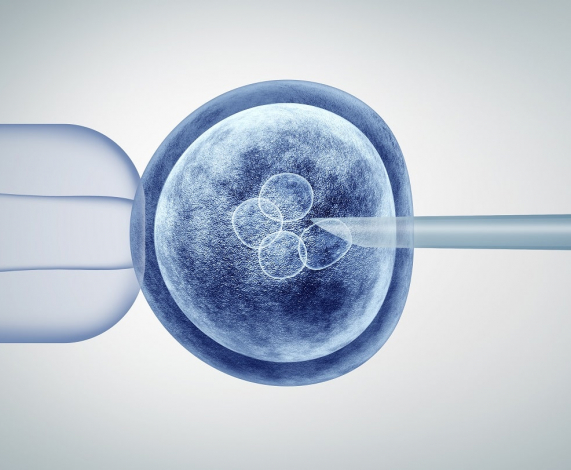
This is a technique for detecting genetic abnormalities that is performed before embryo transfer.
Various studies have shown that when an IVF cycle is performed, some of the resulting embryos may be chromosomally abnormal. If these were used in a transfer, they would result in implantation failure or spontaneous abortion. Or even certain genetic diseases could occur in the newborn.
To avoid this situation, we use Preimplantation Genetic Diagnosis (PGD), a technique that complements In Vitro Fertilization. With it, we can select those chromosomally normal embryos before their transfer to the uterus, thus saving time, money or emotional stress for the future mother.
PGDbegins with the normal IVF process: ovarian stimulation, oocyte retrieval, fertilisation in the laboratory and embryo culture. During the culture phase, two or three cells of the embryo are biopsied. DNA is extracted from the cells for analysis in a process known as polymerase chain reaction. Using molecular analysis, the DNA sequence code is evaluated to determine the viability of the embryo.
Once the PGD procedure has been carried out and the embryos free of genetic alterations have been identified, we can carry out the embryo transfer with them.
In which cases is it indicated?
This technique can benefit any woman or couple at risk of transmitting a genetic disease or condition. However, it is also recommended in certain circumstances, regardless of the risk of genetic inheritance.
•Women over 39 years old.
•Women or couples who are carriers of sex-linked genetic diseases or defects in a single gene.
•People with chromosomal alterations (abnormal karyotypes).
•Women with recurrent pregnancy loss.
At iGin we carry out this treatment under the conditions indicated here. If you have any questions or would like further information, you can contact us using this form or by calling 946 510 700.