
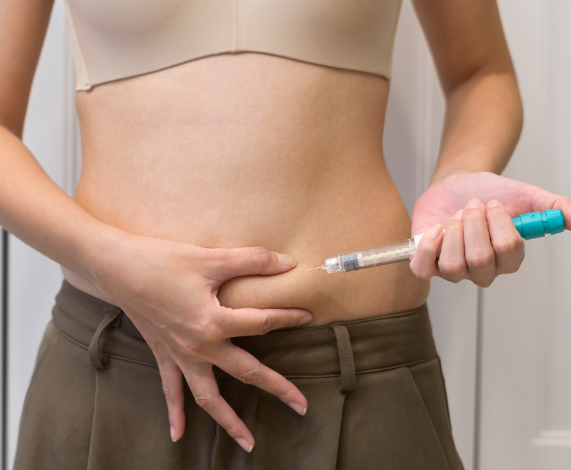
In the field of assisted reproduction, ovarian stimulation is a fundamental and integral procedure in treatments such as in vitro fertilization (IVF) and artificial insemination.
It involves administering hormonal medication to the woman in order to increase the production of eggs in her ovaries. Normally, a woman produces only one egg during her menstrual cycle. However, in an assisted reproduction cycle the aim is to stimulate the ovaries to obtain multiple eggs, which will be crucial to moving forward with the treatment and increasing the chances of success.
How does ovarian stimulation work?
The ovarian stimulation process begins with a thorough evaluation of the patient to determine the most appropriate hormonal protocol. This may include ultrasound, hormonal, and other studiesto evaluate ovarian function and the overall health of the reproductive system.
Once the personalized protocol has been established, the patient begins to administer (generally at home) the medication to stimulate the development of multiple ovarian follicles, which contain the immature eggs. The medications are based on hormones (urinary or recombinant gonadotropins). During the stimulation process, the patient is monitored by ultrasound and/or blood tests to control the response of her ovaries to the treatment and achieve the appropriate follicular size. It may be necessary to make adjustments to the dose of medication to optimize the results. This phase usually lasts between 10 and 12 days.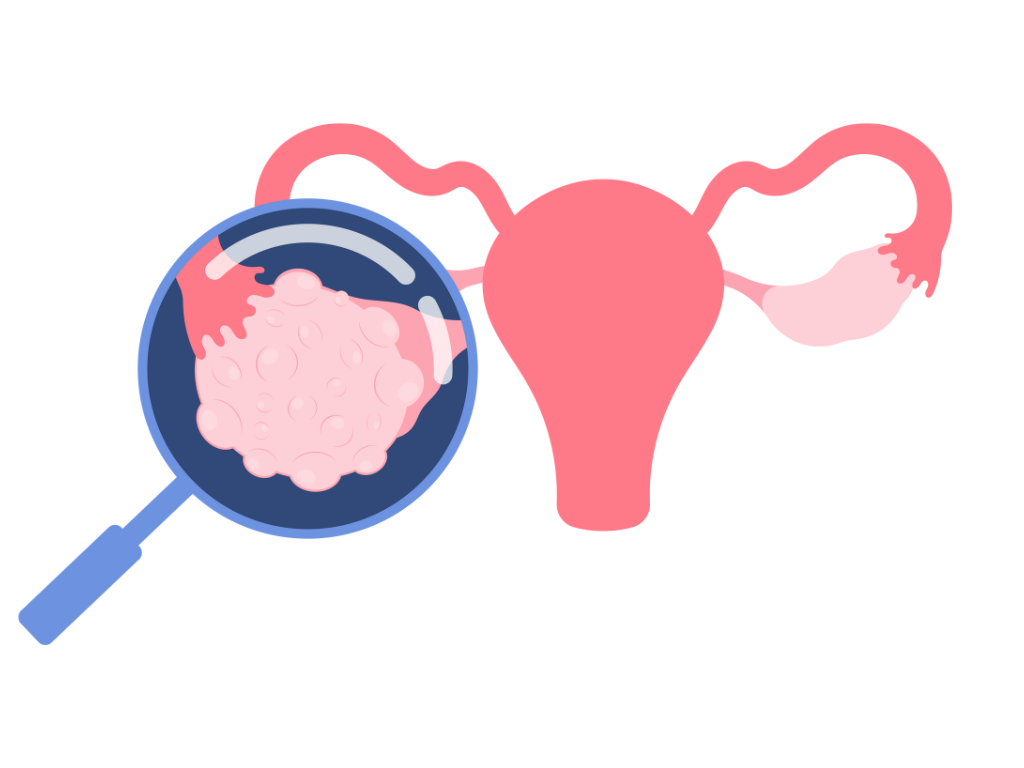
Once the follicles reach an ideal size, an injection of hCG (human chorionic gonadotropin) is administered to trigger the maturation of the eggs. This injection is usually scheduled 36 hours before the follicular puncture, where we will retrieve these eggs.
How will I feel during stimulation?
Lifestyle habits should not change. You can continue doing your normal routine(work, sport, leisure, etc.). It is advisable, however, to rest and avoid tobacco and alcohol.
You may experience menstrual-like symptoms, as the medication alters your hormonal load. You may notice pain in your ovaries, swelling in your abdomen, changes in vaginal discharge, or mild discomfort in your head and breasts. Beyond this, there are no risks or dangers to your health or future fertility.