
Prenatal DNA screening test
A safe test to know the chromosomal health of the baby.
What is a prenatal DNA screening test ?
It is a maternal blood test that detects the baby’s cells to assess, from the early stages of pregnancy, the risk of chromosomal abnormalities and genetic alterations that could compromise the pregnancy or the baby’s health.
When is it used ?
It is recommended for any pregnant woman
Especially for women over 35 years of age, or with a history of malformations during pregnancies, recurrent miscarriages or parents with genetic abnormalities.
Benefits of the Prenatal DNA screening test
It is a non-invasive and totally safe test.
It allows early detection of serious anomalies.
It is highly reliable and accurate, with a detection rate of 99.65%.
Reduces the need for amniocentesis.
Can be performed from the 11th week of pregnancy onwards.
How is it done ?
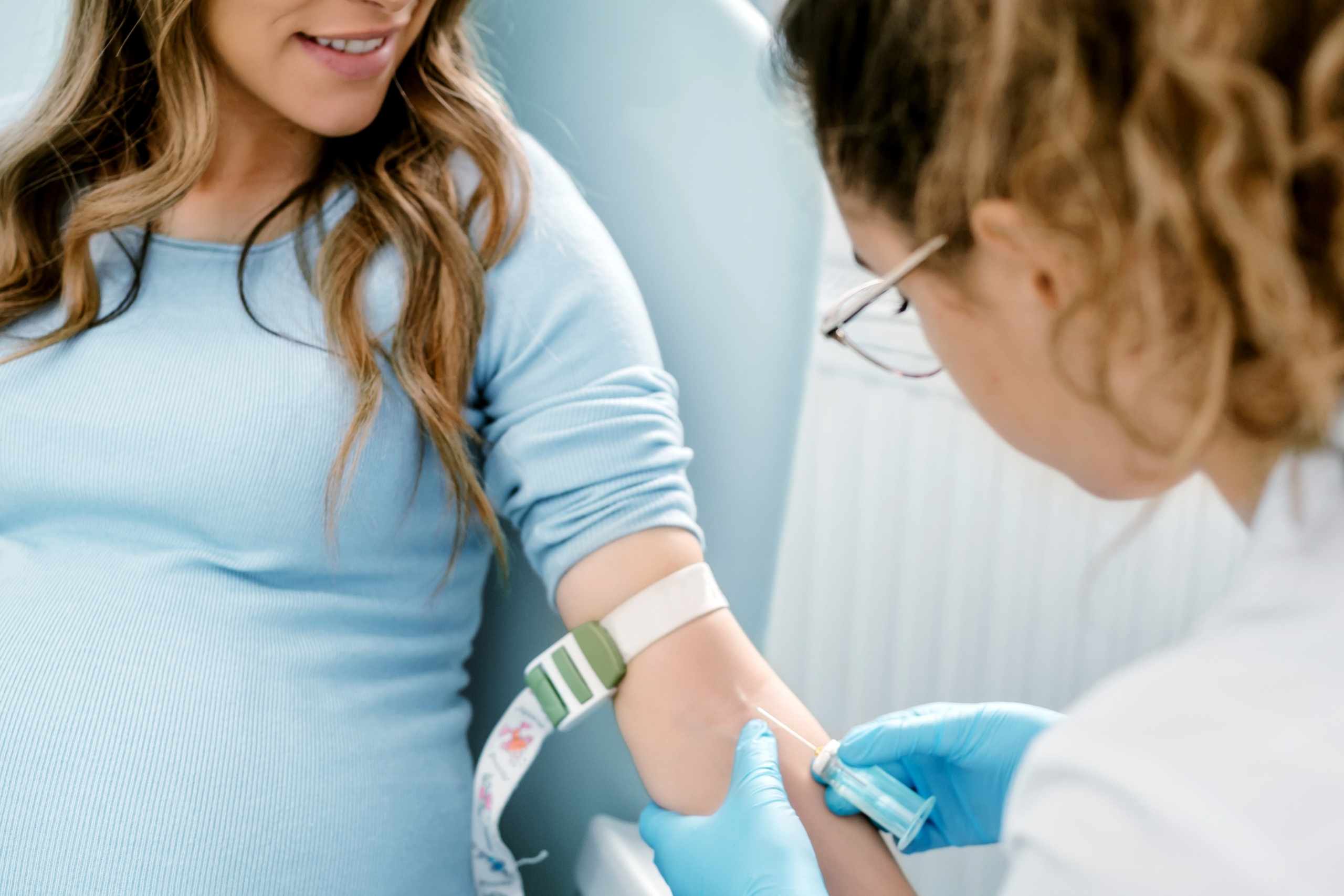
This simple test is safe for the mother and baby. Blood is taken from the woman’s arm. In the laboratory, we identify the foetal DNA present in the blood and analyse it. In case of a positive suspicion, a diagnostic test such as chorionic villus sampling or amniocentesis is performed.


Three different options
You can choose between test Basic Plus, test Premium, or test Excellence. The difference between them lies in the number of chromosomal abnormalities you want to assess the risk for, whether you also want a risk calculation for deletions, or if you prefer the most comprehensive study including microdeletion analysis.
Any questions ?
We are here to answer any questions you may have about this or other techniques and treatments. We will get back to you as soon as possible.
Contact us